

Step 1: Create a customer
Add a customer.Step 2: Help Zenskar ingest usage data
📖 Raw metrics versus aggregates Metrics represent all the data that you capture to analyze trends across your business and technology domains. Raw metrics are unfiltered data. Derived metrics, on the other hand, are generated when a certain combination of selection criteria (or filters) is applied on the raw metrics. Aggregates are derived metrics. Average, count, distinct, maximum, minimum, and sum are some selection criteria (or filters) applied on raw metrics to derive aggregates.
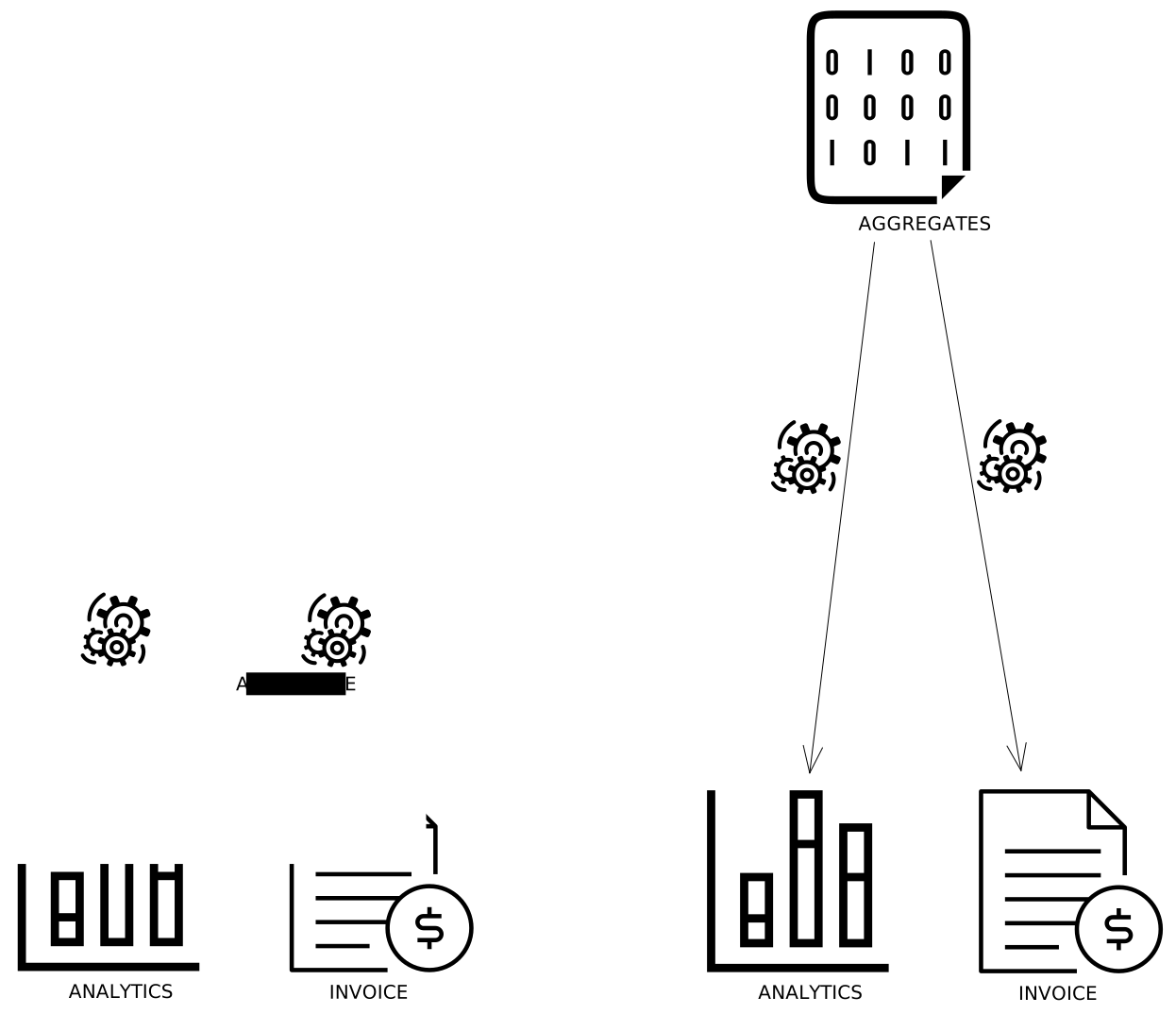
- Data Sources: We pull usage data from your data infrastructure. This usage data can be either raw metrics or aggregates.
- Raw Metrics: You push usage data to Zenskar. This usage data can be either raw metrics or aggregates.
- Finally, derive aggregates from raw metrics. There are two types of queries you can write:
- Aggregate query: SQL query to create a intermediate aggregate table, aggregates, to hold billable aggregates for all customers in a given billing period. This query is optional if your data source contains aggregates (not raw metrics).
- Customer-specific query: Mandatory SQL query to fetch customer-specific billable aggregates from the aggregates table.
Step 3: Create products
🔖 Product In Zenskar, a product is any service or product you sell to your customer as part of a contract. In a metered product, you measure customer activity or consumption of resources in a given period. In a non-metered product, you do not measure customer activity or consumption of resources. The number of units purchased and the charges are defined in the contract.The legal contract you sign with your customer contains details of:
- all products
- pricing models associated with those products
Step 4: Create contracts
Plan
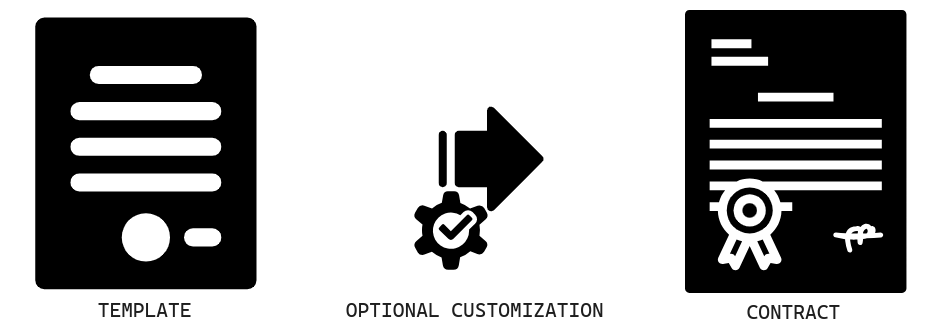
For a reusable contract template that can be further customized for special cases, create a plan.🔖 Plan A plan is a reusable contract pattern that contains product and feature definitions. A plan can be used as a guide to make tangible Zenskar contracts.
A contract that is based on a plan will inherit all the products and features of the plan it is based on. You can override the plan values to create customized contracts.
Contract
If reusable contract templates are not needed, you can create a contract directly using products. Else, you can use a contract template as base to create customized contracts.🔖 Contract A contract, in general, is a formal and legally binding agreement between you and your customer. This is an all-encompassing document that defines how you and your customer will conduct business. However, in Zenskar, the concept of a contract refers only to a subset of the general contract and contains data related to usage, pricing models, and other billing determinants.